
The Lighting Design course introduces learners to the art and science of using light to shape and enhance interior and exterior spaces. Lighting is one of the most powerful tools in design—it influences mood, highlights features, improves functionality, and creates atmosphere. This course provides students with both the technical knowledge and creative strategies to plan and implement effective lighting solutions.
Learners will explore the fundamentals of light and perception, different types of lighting (ambient, task, accent, decorative), and how to balance natural and artificial sources. The course also covers lighting technologies, fixtures, control systems, and energy-efficient solutions, alongside practical considerations such as placement, intensity, and color temperature.
Through case studies and hands-on exercises, participants will apply lighting principles to various settings, including residential, commercial, hospitality, and landscape projects. They will practice creating lighting plans and visual presentations that communicate both technical accuracy and design intent.
By the end of the program, learners will be able to design, evaluate, and present professional lighting solutions that enhance spaces both aesthetically and functionally, making them an essential skill set for interior designers, architects, and creative professionals.
The Lighting Design course provides learners with a comprehensive understanding of how to use light as a key element in creating functional, comfortable, and visually appealing spaces. Lighting is not just about illumination—it is about shaping atmosphere, guiding movement, enhancing aesthetics, and improving human experience within interior and exterior environments.
This program introduces the principles of light and perception, types of lighting (ambient, task, accent, decorative), and the integration of natural and artificial sources. Learners will gain insights into lighting technologies, fixtures, control systems, and sustainable solutions, exploring how to balance energy efficiency with creative expression.
Through real-world case studies and practical workshops, participants will apply lighting concepts to residential, commercial, hospitality, and landscape design projects. They will also learn to develop lighting layouts, technical drawings, and presentations that communicate both the artistic and technical aspects of their design.
By the end of the course, students will have the ability to conceptualize, plan, and execute professional lighting schemes that elevate design projects, meeting both functional requirements and client expectations.
Understand the importance of lighting in both interior and exterior spaces. Learn the fundamentals of light and human perception, types of lighting (ambient, task, accent, decorative), and how natural and artificial light influence design.
Explore lighting levels and standards for various spaces (residential, commercial, hospitality). Study color temperature, CRI (Color Rendering Index), and the ergonomics and psychological effects of lighting. Review case studies showing how lighting impacts user experience.
Gain an overview of lamps, luminaires, and fixtures. Learn about LED technology, smart lighting systems, and sustainable, energy-efficient solutions. Hands-on activity: explore different lighting fixtures and their applications.
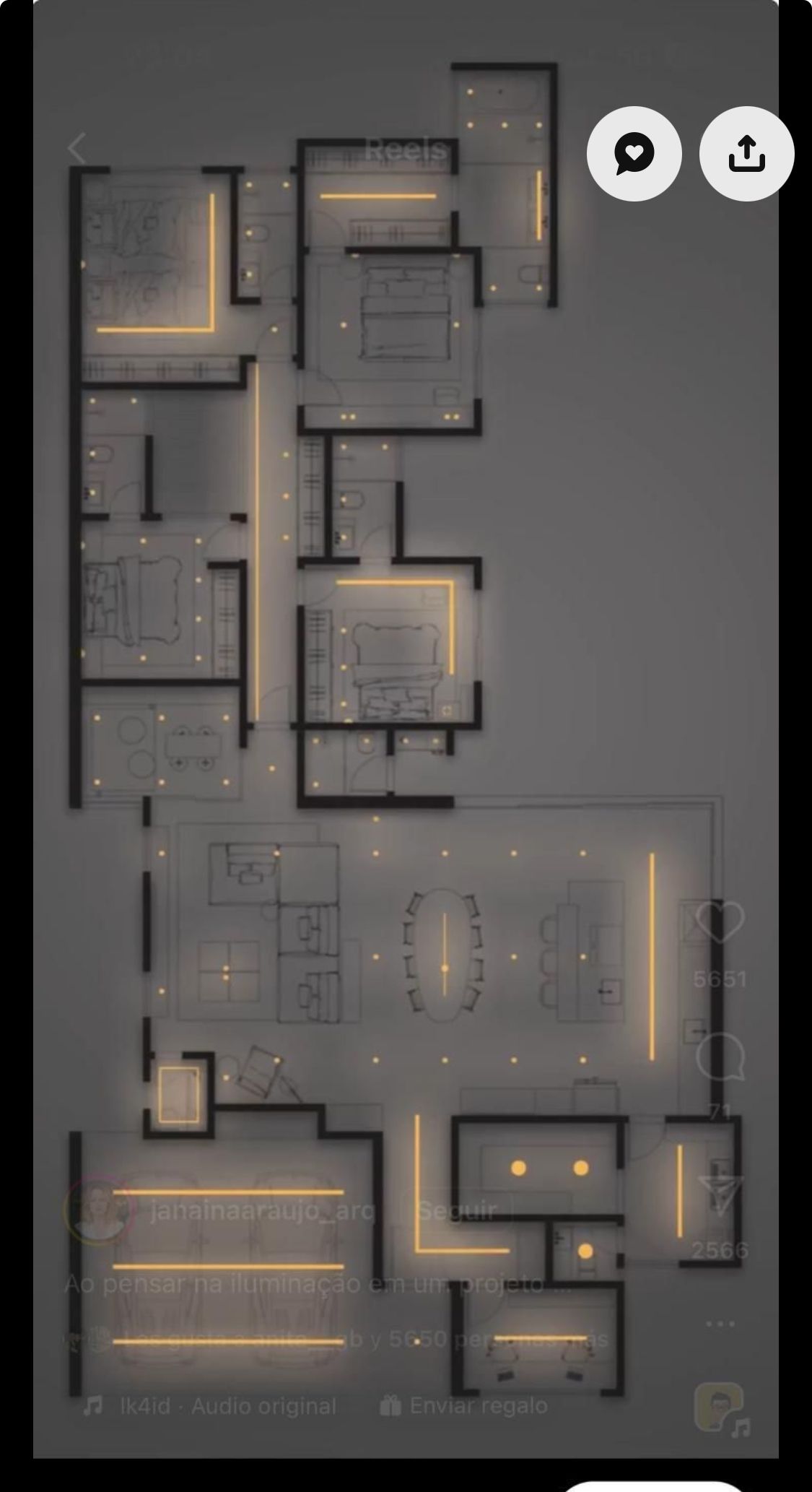
Develop lighting concepts and learn how to zone spaces with light. Practice reading and creating lighting plans and technical drawings, with a focus on placement, spacing, and beam angles. Workshop: design a basic lighting plan for a living or office space.
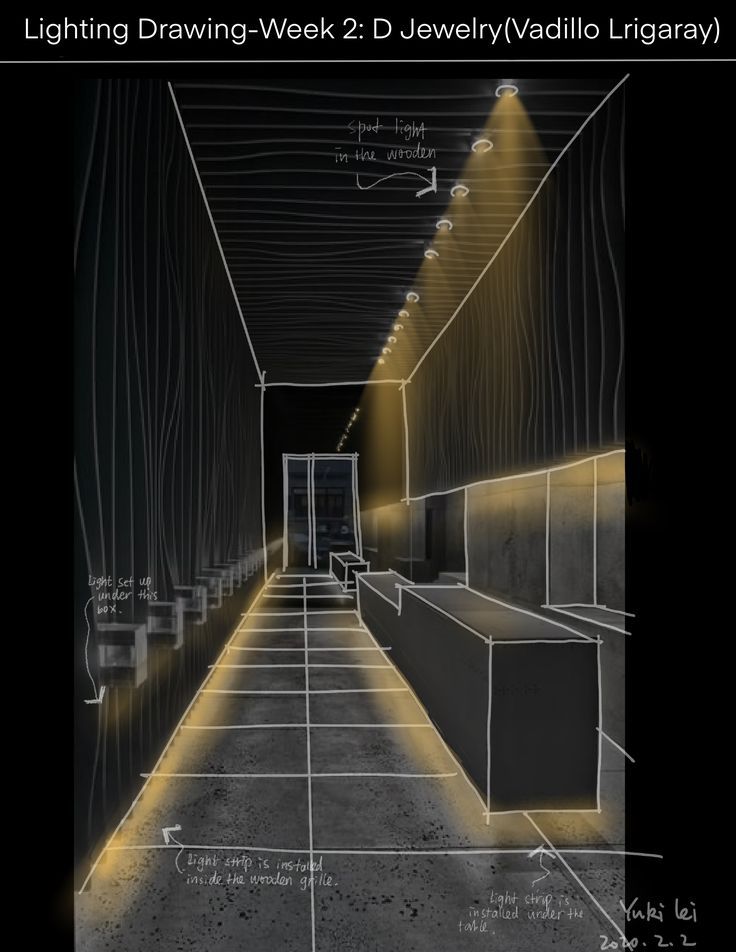
Use lighting creatively to shape mood, highlight design features, and define space. Learn techniques like accent lighting, wall washing, grazing, and layering. Workshop: design lighting concepts for a hospitality or retail space.
Work through a full design process from concept to final lighting plan. Prepare visual presentations using plans, renders, and mood boards. Final Project: design and present a lighting scheme for an interior or exterior project, followed by peer review and feedback.
6-Day Short Course: Lighting Design
Day 1: Introduction to Lighting Design
Importance of lighting in interior and exterior design
Fundamentals of light and human perception
Types of lighting: ambient, task, accent, decorative
Natural vs. artificial lighting in design
Day 2: Lighting Principles & Standards
Lighting levels and standards for different spaces (residential, commercial, hospitality)
Color temperature and color rendering index (CRI)
Ergonomics and psychological effects of lighting
Case studies: how lighting impacts user experience
Day 3: Lighting Technologies & Fixtures
Overview of lamps, luminaires, and fixtures
LED technology and smart lighting systems
Energy-efficient and sustainable lighting solutions
Hands-on: exploring different lighting fixtures and applications
Day 4: Lighting Layouts & Planning
Developing lighting concepts and zoning spaces with light
Reading and creating lighting plans and technical drawings
Placement, spacing, and beam angles for effective design
Workshop: designing a basic lighting plan for a living or office space
Day 5: Creative Applications in Lighting Design
Using light to create mood, highlight features, and shape space
Accent lighting, wall washing, grazing, and layering techniques
Integrating decorative lighting with functional design
Workshop: designing lighting concepts for a hospitality or retail space
Day 6: Project Workshop & Presentation
End-to-end process: from concept to final lighting plan
Preparing visual presentations for clients (plans, renders, mood boards)
Final project: designing and presenting a lighting scheme for a given interior/exterior project
Peer review and feedback session
Lighting Designer
Interior Designer (with lighting specialization)
Architectural Lighting Consultant
Lighting Technician
Sustainable Lighting Specialist
Retail & Hospitality Lighting Designer
Exhibition & Event Lighting Designer
Smart Lighting Systems Designer
Basic computer skills are required; prior knowledge of design principles is beneficial.
To claim the course fees through HRD Corp, your company must be registered with HRD Corp. Once registered, your employer can submit a training grant application via the HRD Corp e-TRiS system. After the application is approved, the course fees can be claimed.
There is no strict limit to the number of courses an individual or company can claim. However, the total amount claimable depends on the available levy balance in your HRD Corp account. It’s best to consult your HR department or HRD Corp representative for specific details.

test