Great design is all around us. Design plays an integral part in the apps we use, videos we watch and the brands that we come across. Great designers are behind all the beautiful visuals that captivate our eyes in some way or another. With businesses investing more in online content, there has been an increased need for multimedia professionals.
However, it is difficult to know how to best train in this area. There seems to be confusion among many regarding graphic design and multimedia design, as well as the skills that one requires.
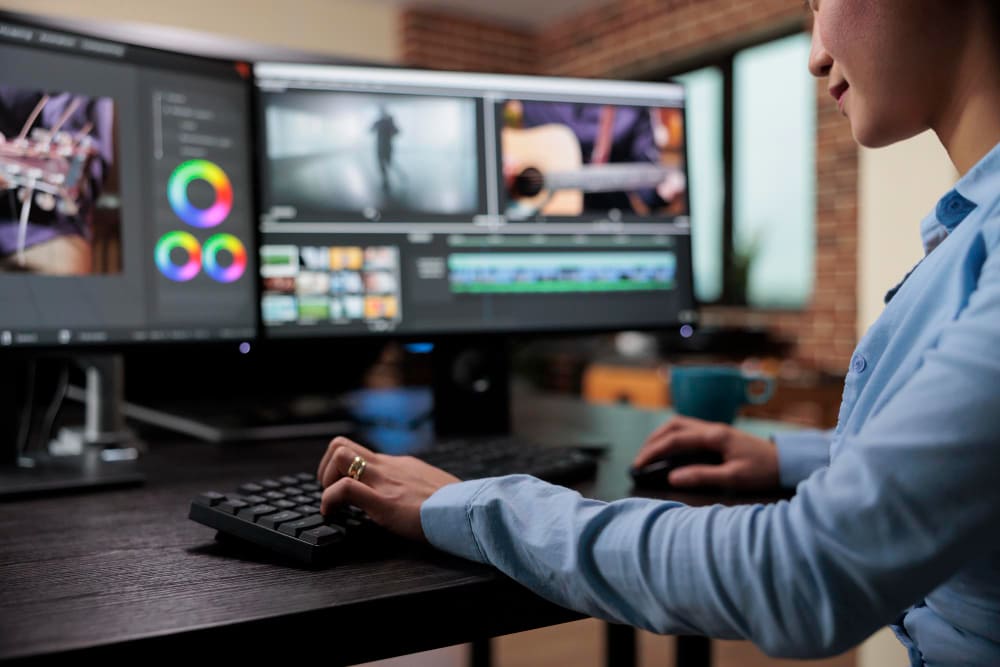
A multimedia design course helps one understand these concepts and gain hands-on experience with various programs used in the industry. In this guide, you will learn about graphic & multimedia design, what you will study in the training course and how such skills can help you have a successful career in this field.
What Is a Multimedia Design Course?
A multimedia design course is aimed at teaching you to develop visually stunning multimedia for various platforms. Unlike other disciplines, this programme does not provide training on one skill set but combines graphic design, video, animation and interactive media altogether. The purpose of the course is to teach you how to convey your ideas through creative digital content.
Contrary to conventional art classes, the course is oriented towards practical activities relevant to the job market. In such a way, you will gain theoretical knowledge and practical skills needed for creative positions in different sectors of the economy.
The course curriculum may include graphic design basics, digital illustration, motion graphics, video production, animation, visual effects (VFX), branding, user interface (UI) and user experience (UX) design, and portfolio creation. Moreover, many modern programmes offer to familiarise students with AI tools used in creative industries.
What Is Graphic & Multimedia Design?
Graphic & Multimedia Design involves the creation of visual communication content, both digital and print. Though these two types of design are related, there are distinctions between them. Graphic design mainly deals with static visuals, while multimedia design uses graphics, motion, videos, animation, sounds, and interactions in creating visual communication content.
Popular types of multimedia design include:
- Animated commercials
- Video promotions
- Social media videos
- User interfaces for mobile apps
- Motion graphics
- Interactive presentations
- Digital marketing campaign visuals
- Corporate videos
Due to the rise of digital content, multimedia designers have to be skilled in different creative formats, hence their importance in all industries.
Why Multimedia Design Skills Are in High Demand
Digital content has become the key component for companies in terms of connecting with their audience. Thus, qualified multimedia designers are highly sought after in a lot of different industries.
- The Rise of Digital Marketing: Companies need new graphics and video content for their websites and campaigns.
- Video-Oriented Content: Short videos become even more popular, creating an increased demand for motion graphics and video editing.
- Improved User Experience: Websites and mobile applications use animation and interactive features to provide a better user experience.
- New Industries to Work In: The gaming industry, e-learning platforms, advertisements and online stores all require competent multimedia designers.
By mastering diverse skills, one can unlock more career paths in the digital industry.
What Will You Learn in a Multimedia Design Course?
A multimedia design course combines creative concepts with practical skills to prepare you for real-world projects. While course content may vary, most programmes cover the key areas needed to build a successful creative career.
Design Fundamentals
You start by understanding the fundamentals of design, including colour theory, typography, layout, composition, visual hierarchy, and branding. These are the building blocks for any design process.
Digital Design Software
Students get to work with tools that are used in the industry by agencies and production companies. Projects will help you feel more comfortable using these design tools.
Motion Graphics
Motion graphics introduce you to ways in which you can add motion to static designs. You learn how to design animated logos, social media videos and promotional videos.
Video Editing
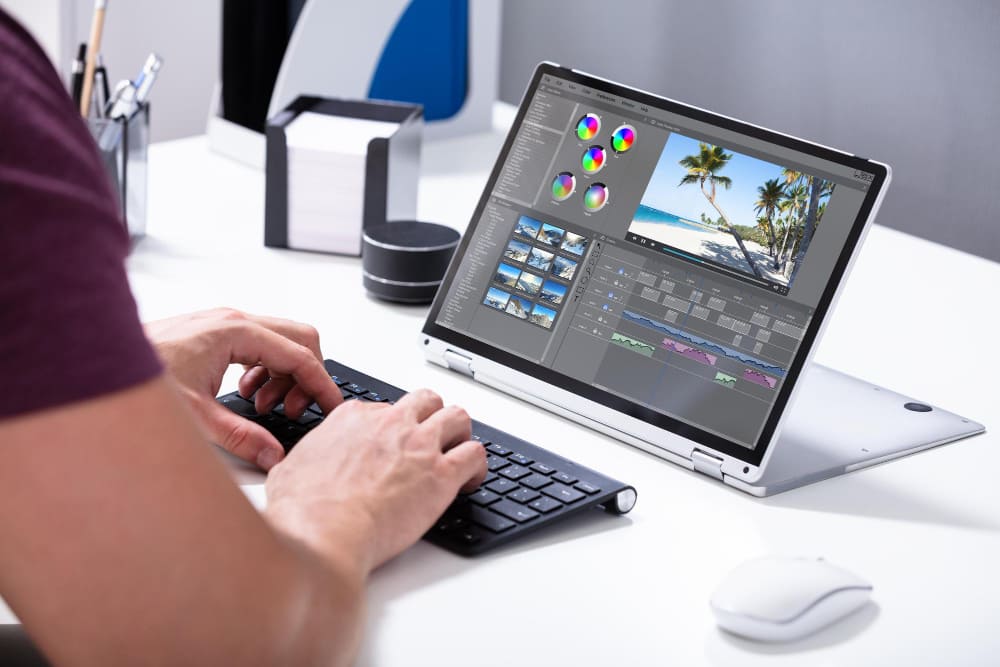
You will learn how to edit video footage, create transitions, enhance audio and ready videos for various platforms. These are skills that one needs in the world of digital content creation.
Animation Principles
You will be taught the basics of timing, spacing, storyboarding and character animation. A simple understanding of the subject can greatly enhance your overall design work.
Visual Effects (VFX)
Most of the courses cover VFX techniques such as green screen editing, motion tracking and digital compositing. VFX skills are extensively used in TV, films and advertising industry.
Portfolio Development
While studying, you will also develop a professional portfolio which is an expression of your creativity, technical skills and problem solving abilities. Portfolio often carries more weight than qualifications when applying for design jobs.
Essential Software Every Multimedia Designer Should Learn
The right software will help you bring your creative ideas to life by translating them into professional designs. Even as more software is being developed every day, there are certain pieces of software that have become very popular in the creative industry.
- Adobe Photoshop: Photography editing, images manipulation and digital graphics.
- Adobe Illustrator: Vector illustrations, logo design and branding.
- Adobe InDesign: Layouts design for printing, brochures, magazines and publications.
- Adobe Premiere Pro: Video editing.
- Adobe After Effects: Motion graphics, animations and visual effects.
- Adobe Audition: Audio editing.
- Blender: 3D modelling, animation and rendering.
- Figma: UI and UX design, wireframing and prototyping.
- Cinema 4D: 3D motion graphics and advanced animation.
However, while the software is important, other key skills include creativity, communication and problem-solving skills.
Graphic Design vs Multimedia Design
Feature | Graphic Design | Multimedia Design |
Focus | Creates static visual content | Combines static, motion and interactive content |
Content Type | Logos, posters, brochures, packaging | Videos, animations, motion graphics and interactive media |
Platforms | Print and digital graphics | Websites, apps, social media and digital campaigns |
Skills Required | Typography, layout, branding and illustration | Graphic design, video editing, animation and visual effects |
Software | Photoshop, Illustrator, InDesign | Photoshop, Illustrator, After Effects, Premiere Pro, Blender and Figma |
Career Roles | Graphic Designer, Brand Designer, Print Designer | Multimedia Designer, Motion Graphics Designer, Video Editor, VFX Artist |
Main Goal | Communicate ideas through static visuals | Create engaging and interactive digital experiences |
Motion Graphics vs Animation vs Visual Effects
Motion graphics, animation and visual effects are closely related, but each serves a different purpose. Understanding these areas will help you choose the right skills for your creative career.
Motion Graphics
Motion Graphics is the technique where animation is used to animate graphical elements like text, icons and logos. They are widely used for explanation purposes, advertising products and making interesting digital media.
- Some of the uses of Motion Graphics are:
- Brand Videos
- Social Media Ads
- Product Launches
- Corporate Presentations
- Explainer Videos
Motion graphics are ideal for creating clear and engaging visual communication.
Animation
The field of animation is concerned with the creation of movement from scratch with the help of characters, objects, or environment. Animation can be used for a variety of purposes, including storytelling, entertainment, and education.
Some of the most popular forms of animation are:
- 2D animation
- 3D animation
- Character animation
- Stop motion animation
- Educational animation
Animation helps bring stories and ideas to life through realistic movement.
Visual Effects (VFX)
VFX is a technique that involves the combination of real-life shooting and digital components to generate shots that cannot be shot naturally. VFX is common in films, television, and advertisements.
Examples of VFX techniques are:
- Green screen editing
- Motion tracking
- Explosions digitally generated
- Weather effects
- Object removal
- Integrating CGI
VFX enhances visual storytelling by creating realistic and immersive scenes.
Industries That Hire Multimedia Designers
The demand for graphic & multimedia design professionals continues to grow as businesses invest more in digital content. Today, multimedia designers have career opportunities across a wide range of industries.
Digital Marketing Agencies
Marketing agencies develop content solutions which they deliver to their various client groups. Multimedia designers create social media graphics and videos, adverts and branding materials through their work.
Advertising Agencies
Advertising agencies need creative professionals who can develop eye-catching campaigns across print, digital and video platforms.
Media and Entertainment
Television networks and streaming services and production companies employ multimedia designers to perform video editing and create motion graphics and visual effects.
E-commerce
Online businesses use multimedia designers to create product images and promotional videos and banners and digital advertisements which increase their sales numbers.
Education
Educational institutions including schools and universities and e-learning platforms implement multimedia content to enhance student learning through better engagement and improved comprehension.
Corporate Businesses
Many companies have in-house creative teams that produce training materials, presentations, marketing assets and internal communications.</p
Gaming
Game studios employ multimedia designers to create interface designs, promotional content, cinematic sequences and other visual assets.
Career Opportunities After Completing a Multimedia Design Course
One of the greatest benefits of a multimedia design course is the variety of career paths it offers. With the right skills and a strong portfolio, you can work across different creative industries or build a successful freelance career.
Graphic Designer
Design logos and marketing materials and branding assets together with other visual content which appears in both printed and digital formats.
Multimedia Designer
Create various graphical elements, video content, animated sequences and interactive digital materials for websites and social media platforms and digital marketing initiatives.
Motion Graphics Designer
Create animated graphics, explainer videos, title sequences and promotional content that serve businesses and media organisations.
Visual Effects (VFX) Artist
Develop computer-generated effects which appear in movies, advertisements, television shows and digital video content.
UI Designer
Develop interfaces which users can navigate easily through websites and mobile applications to enhance their overall user experience.
Creative Executive
Manage creative projects, coordinate design teams and develop visual concepts for marketing campaigns.
Animation Artist
Create 2D or 3D animations for entertainment, advertising, education and digital media projects.
Skills Employers Look for in Multimedia Designers
Employers look for more than just software knowledge when hiring multimedia designers. They value professionals who can combine technical expertise with creativity and strong workplace skills.
Technical Skills
Technical skills enable designers to make quality pieces and adjust to new projects. Understanding tools and concepts used within the field is crucial.
Important technical skills are:
- Graphic design concepts
- Typography
- Color theory
- Editing video
- Motion graphics
- Adobe Creative Cloud
- Layout design
- Branding
- Digital illustration
- File preparation
These are the basic skills necessary for success in a creative career.
Soft Skills
Along with having the technical skills, an employer appreciates the individual’s ability to work within a team and to problem-solve efficiently.
Some of the most important soft skills are:
- Effective communication
- Teamwork
- Time management
- Adaptability
- Creative skills
- Being detailed-oriented
- Problem-solving skills
- Desire to learn
Developing your technical and soft skills continuously will help you develop your career in the field of multimedia design.
How to Build a Strong Multimedia Design Portfolio
A strong portfolio showcases your creativity, technical skills and design ability. It often has a greater impact on employers than qualifications alone do.
Include Different Project Types
Display different types of projects ranging from branding, motion graphics, video editing, animation and user interface design projects. It is always better to emphasise quality over quantity.
Show Your Design Process
Describe the purpose of the project, your creative thinking, the tools you used and how the project looks in the end. It will help potential employers evaluate your creative abilities.
Keep Updating Your Portfolio
With time, your skills will evolve. So, you should regularly update your portfolio by removing the old projects and adding new and improved ones.
Beginner’s Learning Roadmap
Starting your multimedia design journey may seem challenging, but taking one step at a time makes the process easier. Focus on building a strong foundation before moving on to advanced skills.
Step 1: Learn Design Basics
Begin learning the essential design elements which include colour theory and typography and layout and composition and visual hierarchy. These principles will improve every design you create.
Step 2: Master Graphic Design Software
Learn tools like Adobe Photoshop and Illustrator through practical projects. Hands-on practice is the best way to build confidence.
Step 3: Explore Motion Graphics
Move into Adobe After Effects learning after you master static design elements. Simple animation projects will help you understand movement and visual storytelling.
Step 4: Learn Video Editing
Hone your video editing skills through Adobe Premiere Pro. It is important to do so because it helps you produce material that can be posted on different social media channels.
Step 5: Buid a Portfolio
Begin working on your portfolio as you train rather than after you have completed your training program. Your portfolio will serve as evidence of your expertise.
Step 6: Keep Learning
Design trends and technology continue to evolve. Stay updated by exploring new tools, following industry experts and practising regularly.
Why Choose Blue Pillar Academy?
Selecting the right academy can make a world of difference in one’s creative future. The Blue Pillar Academy concentrates on practical education, developing students’ practical skills that employers are looking for.
In the Motion Graphics and Visual Effects programme, students are trained on industry standards through practical projects. Students gain practical experience in creating projects and develop confidence, building up their professional portfolio.
Under the expert trainers’ supervision, learners become proficient in their technical skills, visual storytelling, and creativity. This practical education will enable future professionals to excel in their field of graphic & multimedia design.
Conclusion
A multimedia design course provides you with far more than just technical knowledge and expertise. Such a program will help you develop creative skills, professional design skills, and even confidence in working on actual projects on various digital media.
Since many firms and organisations continue to invest in digital content creation, there is expected to be an increasing demand for competent multimedia professionals in sectors like advertising, marketing, media, education, and entertainment.
To succeed in this career path, one needs constant education, practice, and even a good portfolio that would showcase one’s skills. With all that in mind, the development of necessary skills and gaining experience in the field will guarantee success.
FAQs
What is a multimedia design course?
Students learn digital content development through multimedia design courses, which teach visual content creation for digital platforms. It merges graphic design with motion graphics, video editing, animation, branding and visual effects to train students for artistic professions.
Is graphic design the same as multimedia design?
No. Graphic design mainly focuses on static visuals such as logos, posters and brochures. Multimedia design includes graphic design together with motion graphics, animation, video production and interactive digital content development.
What software should I learn for graphic & multimedia design?
Employers search for applicants who have hands-on experience with Adobe Photoshop and Illustrator, Premiere Pro and After Effects and InDesign software. Learning Figma, Blender or Cinema 4D can also improve your career opportunities.
What jobs can I get after completing a multimedia design course?
Graduates have multiple career options, which include graphic design, multimedia design, motion graphics design, video editing, VFX artistry, UI design, digital content creation and branding specialisation. Many professionals also choose freelance work or start their own creative businesses.
Is multimedia design a good career?
Yes. Multimedia design provides a strong career path because businesses need engaging digital content for their websites and social media platforms and their advertising and video distribution channels. Designers who possess strong skills and an impressive portfolio maintain their need for employment in different business sectors.