
Building projects rarely go as planned. What starts with clear drawings often hits unexpected problems. Weather turns foul. Supplies show up late. Workers get sick. These issues push timelines and blow budgets. The gap between what was promised and what gets delivered keeps growing wider.
This is where skilled oversight becomes so important. An effective construction management course gives professionals the tools to handle these pressures. It helps them spot issues early. It builds their confidence to make quick decisions. This piece looks at why project control matters, what causes common failures, and how good preparation can change results.
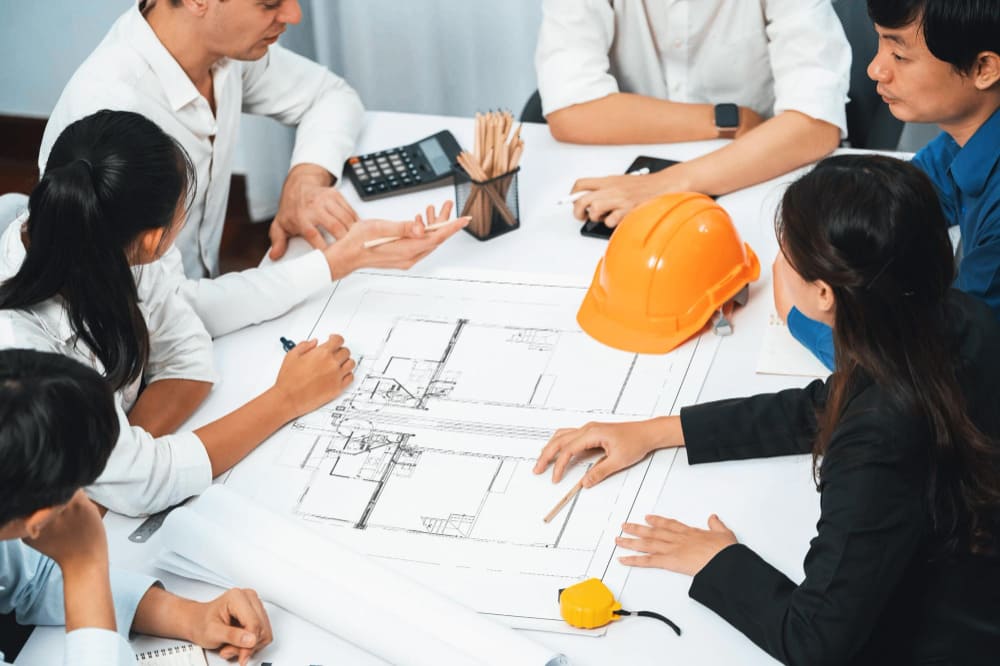
Why Construction Projects Commonly Experience Challenges
Construction work involves many moving parts. Different teams must work together smoothly. Materials must show up exactly when needed. Weather must permit outdoor tasks. When any piece fails, the whole project suffers.
Poor planning often starts the trouble. Teams begin work without proper site studies. Designs get approved without checking real conditions. Budgets get set without thorough cost research. These oversights create issues that grow worse over time.
Communication Problems Between Teams
Contractors and subcontractors use different drawings. Changes get made without telling everyone involved. Field workers find differences between plans and reality. These gaps waste time and cause expensive rework.
Unrealistic Schedules and Deadlines
Clients push for faster completion than what is reasonable. Bidders promise aggressive timelines to win contracts. These tight deadlines leave no room for problems. When setbacks happen, catching up becomes almost impossible.
Lack of Skilled Workers
Finding enough qualified workers proves difficult across the industry. New people need time to learn basic tasks. Mistakes happen more often with less experienced crews. Training helps reduce these issues but takes time and money.
The Real Cost of Construction Delays
Delays in a project can lead to financial losses in several ways. Workers continue to be paid even when they are unable to work. Equipment may remain unused, but rental fees continue to accumulate. Additionally, storage costs for materials that are already on-site can increase. These ongoing expenses can quickly deplete resources.
Financing charges grow as projects take longer. Loans accrue interest over extended periods. Cash flow gets tied up in unfinished work. This creates pressure to borrow more or cut corners. Both choices hurt the overall project.
- Idle workers cost money because they do no work.
- Equipment rental fees continue even when not in use.
- Storage costs build up for materials waiting to be installed.
- Loan interest adds up over longer borrowing periods.
- Legal fees arise from disputes about who caused delays.
What Is Construction Project Management?
This field coordinates every aspect of a building project. It ties together design, buying, and building functions. The goal involves finishing work on time, within budget, and to the required quality. Construction project management covers this whole range of activities.
Planning forms the foundation of effective management. Teams create detailed work schedules. They put activities in a logical order. They assign resources wisely. Good plans stop many common problems before they start.
Overseeing the Entire Project from Start to Finish
Project management covers every phase of the work. It begins with early feasibility studies and concept development. It continues through detailed design and purchasing. It ends with construction and final handover. Each stage needs different skills and methods.
Balancing Time, Cost, and Quality
These three elements always compete with each other. Pushing for speed often raises costs or lowers quality. Cutting expenses may extend timelines or reduce standards. Managers must find the right balance where all three remain acceptable.
Working with Multiple Stakeholders
Clients, contractors, regulators, and designers all have different interests. Each group wants something different from the project. Managers must satisfy everyone’s core needs. This balancing act needs both diplomacy and firmness.
Key Responsibilities of Construction Managers
Overseeing safety ranks among the top duties. Workers face many dangers on site. Falls, equipment accidents, and material mishaps threaten lives. Managers enforce strict safety rules. This protects everyone and stops costly incidents.
Managing budgets requires constant attention. Costs creep upward without close watching. Unexpected expenses appear regularly. Managers track every cost against allowances. They look for savings when possible. They ask for more funds when needed.
- Enforcing safety rules to protect all workers on site.
- Tracking every expense against the approved budget.
- Giving tasks to crews based on their skills and availability.
- Coordinating material deliveries to avoid shortages or excess.
- Reporting project status clearly to clients and funders.
How Strong Construction Management Improves Project Performance
Good oversight helps avoid many common problems. Good oversight catches issues early before they grow severe. Costs stay closer to original estimates. Teams finish tasks on schedule. The whole project runs more smoothly.
Better use of resources delivers significant savings. Materials get ordered the first time correctly. Equipment operates efficiently without idle periods. Workers focus on productive tasks. These efficiencies cut waste and lower costs.
Finding Problems Early
Skilled managers spot warning signs before they become crises. They notice schedule slippage immediately. They catch budget problems promptly. They find quality issues early. This watchfulness stops small problems from becoming big ones.
Better Communication Flow
Information moves freely between all parties involved. Everyone knows what others are doing. Changes get shared right away. Questions get quick answers. This openness cuts confusion and reduces errors.
Managing Risks Better
Possible threats get identified and handled ahead of time. Back-up plans exist for common problems. Teams get ready for likely disruptions. This preparation lessens the impact of unexpected events.
Common Risk Factors in Construction Projects
Money risks threaten every project. Material prices can change suddenly. Labour costs rise with market pressures. Currency changes affect imported goods. These variables make accurate budgeting hard.
Environmental conditions present another challenge. Heavy rain stops outdoor work. Extreme heat reduces productivity. Storms damage work that has already been done. These natural factors remain completely outside anyone’s control.
- Material price changes affect budget accuracy.
- Weather conditions disrupt outdoor work schedules.
- Rule changes create unexpected compliance needs.
- Design mistakes require costly fixes and adjustments.
- Worker shortages delay important project phases.
Skills Needed to Succeed in Modern Construction Management
Leadership abilities rank as essential for guiding teams. Good leaders inspire trust among workers. They encourage cooperation between trades. They help maintain morale during tough times. These people skills make projects run better.
Number skills help with budget control. Understanding costs and forecasts comes naturally. Being comfortable with spreadsheets aids tracking. Analytical skills support better choices. These numerical skills set successful managers apart.
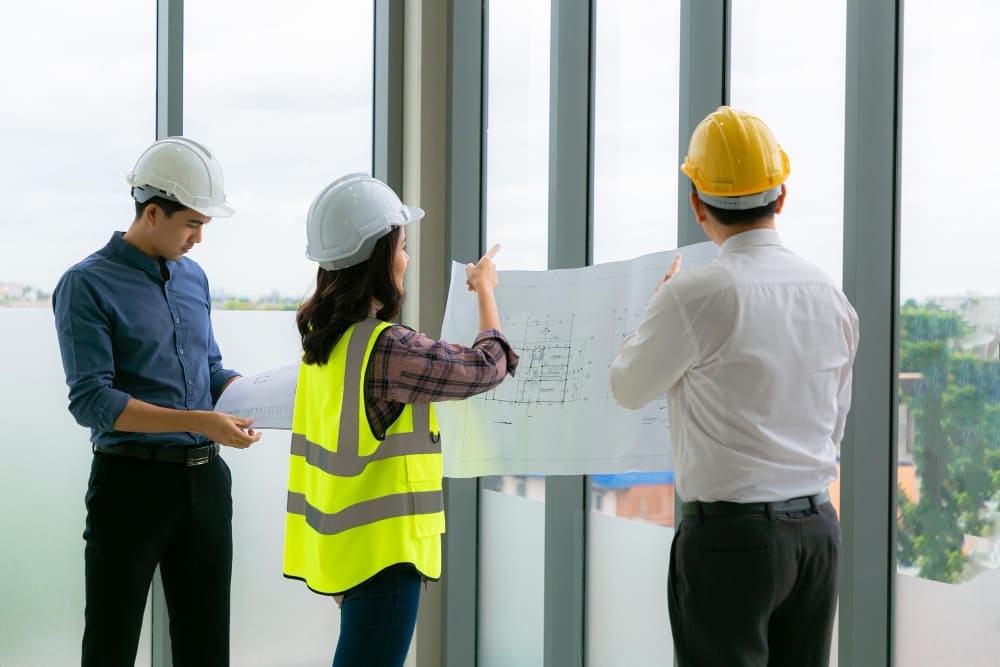
Leading and Managing People
Guiding diverse teams toward shared goals takes real skill. Managers must motivate without scaring people. They must direct without controlling every move. They must support without doing too much. Finding this balance takes practice and self-awareness.
Handling Money and Budgets
Understanding money flows through every project phase. Managers must estimate accurately. They must track carefully. They must forecast wisely. These financial skills stop many budget problems before they happen.
Knowing Construction Basics
Knowing how buildings go together provides essential background. Managers understand material properties and limits. They recognise skilled workmanship. They spot problems before they get worse. This knowledge earns respect from craft workers.
Why Construction Training Is Essential in Today’s Industry
New technologies change how buildings get made. Software tools replace manual drawing. Digital systems manage schedules and budgets. Workers need training on these new tools. Construction training fills this knowledge gap.
Safety rules grow more complex each year. New standards deal with new dangers. Updated procedures aim to stop accidents. Regular teaching keeps everyone current. This knowledge saves lives and lowers legal risks.
Keeping Up with Technology Changes
Digital tools change faster than most people realise. What worked last year may now seem old-fashioned. Managers must constantly learn new software. Training programmes deliver this essential knowledge efficiently.
Meeting Higher Safety Rules
Workplace safety expectations keep rising steadily. Regulators bring in stricter requirements. Clients ask for better worker protection. Training makes sure everyone knows current safety rules.
Learning New Building Methods
Modern construction uses different techniques than before. Prefabrication changes how projects move forward. Sustainable materials need different handling. Training prepares workers for these new approaches.
The Growing Impact of Technology on Construction Management
Software now handles tasks that once took many hours. Scheduling programmes now create timelines automatically. Cost tools track spending in real time. Reporting tools quickly summarise progress. These efficiencies allow managers to focus on more strategic work.
Drones help watch job sites safely and quickly. Views from above show progress patterns. Cameras check hard-to-reach areas. Heat sensors find hidden problems. These tools add to what human eyes can see.
- Scheduling software builds timelines without manual work.
- Cost tools monitor spending as it happens.
- Drones give aerial views and progress photos.
- Building models find design conflicts before construction starts.
- Wearable devices watch worker safety on site.
Signs Your Construction Team Needs Better Project Management Processes
Schedules keep slipping regularly. Key dates get missed over and over. Completion dates keep changing. These patterns suggest profound problems with planning, weak estimating or tracking methods.
- Deadlines get missed in most project phases.
- Budget requests for extra funds come in every week.
- Rework demands keep growing.
- Arguments break out over simple instructions.
- Workers look disengaged and unmotivated.
Future Trends Shaping Construction Project Management
Prefabrication methods gain popularity quickly. Building parts get made off-site. These factory-made pieces arrive ready to install. This approach cuts weather delays. It improves quality consistency.
Green building rules expand each year. Energy standards get tighter. Material choices face new limits. These changes create learning chances for managers who keep up.
More Prefabrication
Factory production gives consistent quality and faster installation. Parts arrive ready to put together on site. Weather delays become less important. Overall timelines shorten a lot.
Focus on Sustainability
Environmental concerns shape modern building choices. Energy saving drives design decisions. Material choices consider ecological impact. Waste reduction becomes a priority. These trends need fresh knowledge.
Better Data Analysis
Data analysis improves decision-making significantly. Past projects give useful benchmarks. Predictive models guide how resources get used. These insights cut guesswork and improve results.
Conclusion
Construction management shapes whether projects succeed or fail. Good practices stop costly overruns and long delays. Construction management course builds the skills needed to handle tough challenges well. Projects work better when guided by trained expertise. Teams finish work faster and stick to budgets. Clients get real value for their money. The industry needs more skilled managers who know modern tools and methods. Putting money into this knowledge pays back many times over. Companies that focus on effective management consistently beat those that ignore it. The facts point clearly to this conclusion.
FAQs
What qualifications help someone become a construction manager?
Many managers hold degrees in building science, civil engineering, or related fields. Professional certificates also strengthen their credentials. Practical field experience remains equally important for hands-on problem-solving.
How does technology improve construction project outcomes?
Digital tools enable better planning and live tracking. Software cuts down human calculation errors. Communication platforms make sure everyone gets updated information quickly.
Why do cost overruns happen so frequently in construction?
Changing material prices, design changes, and unknown site conditions all play a part. Poor initial estimates also contribute significantly to these budget surprises.
Can smaller firms benefit from good construction management practices?
Yes. Even small projects gain from clear planning and cost tracking. Simple management techniques help stop delays and keep budgets under control.