
This module introduces students to the fundamentals of AI Interior Design, laying the foundation for all future learning by combining core design principles with intelligent digital tools. Students explore essential concepts such as space planning, proportion, balance, color theory, and lighting, while learning how AI systems can assist in analyzing spaces, optimizing layouts, and generating design options that are both functional and visually engaging. The module also introduces a range of interior design styles and concepts, showing how AI can be used to adapt designs to different moods, cultures, and user purposes.
Through guided exercises, sketching, and introductory AI-powered design and visualization tools, students build confidence in translating creative ideas into clear, data-informed design concepts. By the end of the module, learners are able to analyze spatial requirements, identify user needs, and develop basic AI-assisted interior layouts that balance practicality, aesthetics, and user experience.
The Professional Certificate in Interior Design is designed to equip students with the fundamental knowledge and practical skills required to create functional, aesthetic, and innovative interior spaces.
This course introduces the principles of design, space planning, materials, lighting, furniture, and sustainable practices, preparing students for entry-level roles in the interior design industry.
Introduces the fundamental elements and principles of interior design such as space, balance, proportion, harmony, contrast, rhythm, and color theory. Students learn how to create aesthetically pleasing and functional interior spaces.
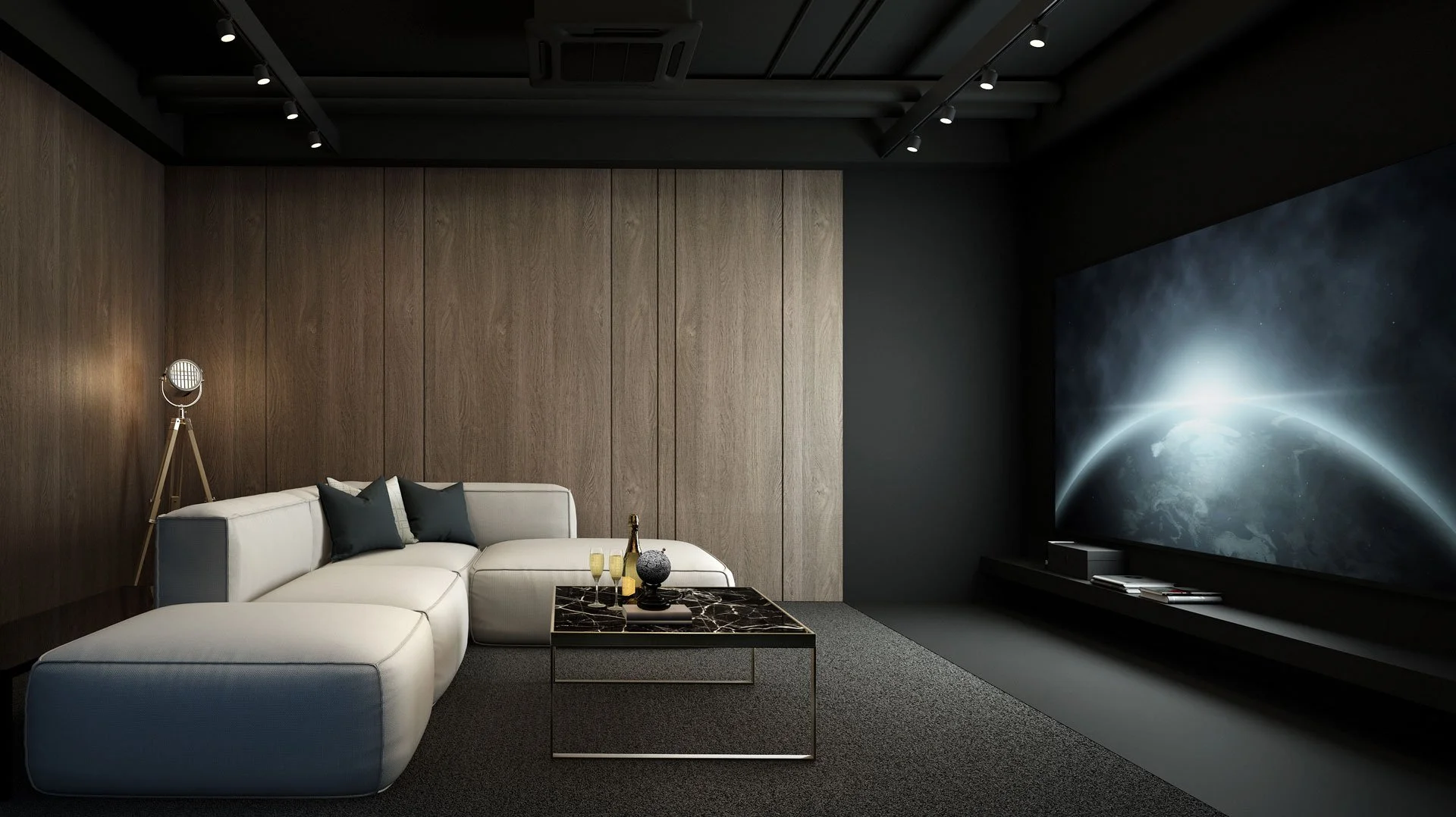
Focuses on acoustics and lighting design in interior spaces. Covers sound control, audio-visual integration, and different lighting techniques (ambient, task, accent) to enhance comfort, mood, and functionality.
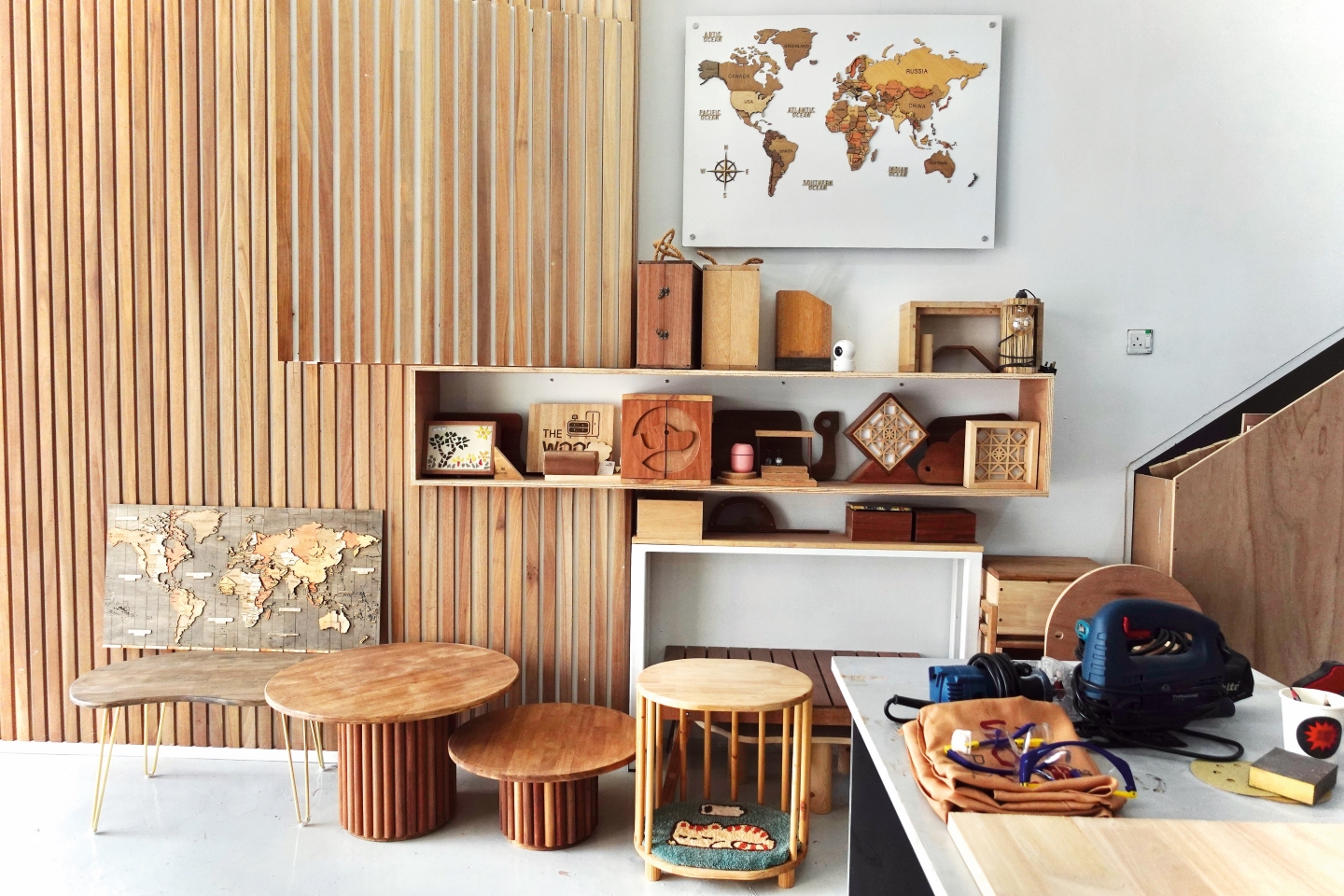
Explores the design and construction of furniture, including ergonomics, materials, joinery, and aesthetics. Students develop skills in designing custom furniture that fits specific interior concepts.
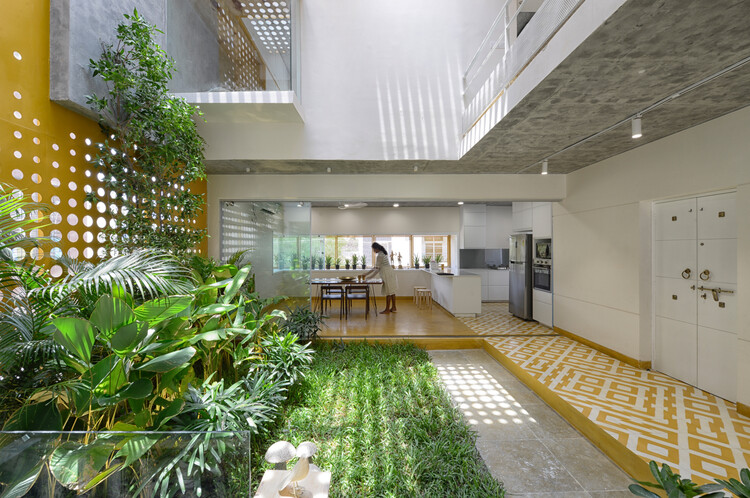
Covers environmentally responsible design practices such as eco-friendly materials, energy efficiency, waste reduction, and biophilic design. Students learn how to create interiors that are sustainable and health-conscious.
Interior Designer – designing residential, commercial, or hospitality spaces with focus on function, style, and client needs.
Interior Stylist – specializing in decoration, furniture arrangement, and styling for homes, showrooms, or photoshoots.
3D Visualizer / CAD Drafter – producing digital drawings, 3D models, and realistic renderings using AutoCAD or SketchUp.
Materials & Finishes Consultant – advising clients or firms on suitable materials, textures, and finishes for interior projects.
Design Project Assistant – supporting senior designers in client presentations, project documentation, and site coordination.
Basic computer skills are required; prior knowledge of design principles is beneficial.
To claim the course fees through HRD Corp, your company must be registered with HRD Corp. Once registered, your employer can submit a training grant application via the HRD Corp e-TRiS system. After the application is approved, the course fees can be claimed.
There is no strict limit to the number of courses an individual or company can claim. However, the total amount claimable depends on the available levy balance in your HRD Corp account. It’s best to consult your HR department or HRD Corp representative for specific details.
test