
Interior design has always mixed art with purpose. Designers shape rooms to look good and work well for the people who use them. This field now stands at the edge of a big shift. New tools are entering the creative space and changing how experts plan and build interiors. These advances bring fresh chances for those who work in design.
A good interior design course now includes training on these modern tools. Smart software helps designers test ideas before any real work starts. This mix of creativity and technology creates new opportunities. Understanding these changes helps anyone interested in design see where the field is heading next.
How Interior Design Has Changed with Technology
Design work used to happen only on paper and physical models. Drawings took hours to create, and making changes meant starting over. Clients found it hard to picture final results from flat sketches. This old way of working limited how much designers could explore during planning.
From Hand Drawings to Digital Views
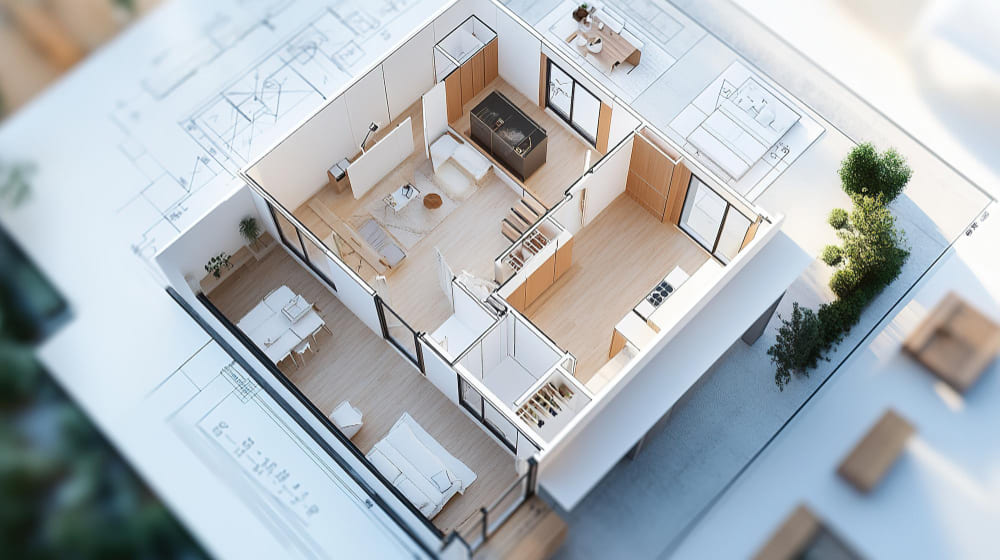
Digital tools changed everything when they came into the design world. Software let designers create 3D views of spaces with ease. Clients could walk through rooms before any building started. This shift saved time and cut down confusion between designers and their clients.
Keeping Up with New Tools
The speed of change has only grown faster in recent years. New programs arrive each season with better features. Designers who keep up with these tools produce better work. Those who resist change find themselves left behind in a tough field.
Understanding Smart Design Tools
Smart design tools are software that helps plan and picture spaces. These programs use data and patterns to suggest layout choices for any room. They can study a space and propose furniture setups that work well. The software learns from many designs to give useful tips.
- The tools do not replace the designer’s creative eye or personal style
- They handle dull tasks and maths that slow down planning
- This gives the designer more time for the artistic parts of the project
- The best results come from a team-up between human creativity and smart software
How Smart Tools Are Changing Design Work
The design process now moves much faster with the help of smart tools. Quick picture-making lets designers test many choices in one go. Clients see several versions of a room without waiting for new drawings. This speed allows for more discovery and better final results.
Seeing Options Right Away
Designers can now show clients realistic views of proposed spaces straight away. Changes happen with a few clicks instead of hours of redrawing. This speed allows for more creative discovery during the design phase. Clients feel more involved and sure about the final choices.
Getting Measurements Right
Smart tools also make design plans and details more correct. Measurements and material amounts come from exact maths every time. This cuts waste and stops costly errors during building. Designers can trust the numbers and focus on the creative parts of their work.
Why New Designers Need Tech Skills
The design field now expects experts to know how to use modern tools. Clients ask for 3D visuals before they agree to any project. Designers who cannot give these visuals lose work to those who can. Tech skills have become as vital as creative talent in this field.
- An interior design course in Malaysia now includes training on key tools
- Students learn software that speeds up their work and makes results better
- These skills make graduates more appealing to employers
- The training gets them ready for the real needs of professional practice
Key Abilities for Today’s Designers
Creative vision stays the base of good interior design work. Designers must see chances that others miss in a space. This eye for what could be sets great designers apart from average ones. Technology cannot replace this human gift for seeing what is possible.
Working with Clients
Talking skills matter just as much as creative ability in this field. Designers explain their ideas clearly to clients who lack design training. They hear feedback and change their plans to meet client needs. This two-way exchange builds trust and leads to better project results.
Running a Design Business
Business skills also play a part in a successful design career. Designers handle budgets, timeframes, and teams of workers on each project. They sell their services and build ties with new clients over time. These practical skills support the creative work that designers love to do.
Good Things About Mixing Creativity with Smart Tools
Smart tools free designers from boring tasks that drain their creative energy. Maths, measurements, and paperwork happen on their own with modern software. This leaves more time for the fun parts of design work. Designers can try bold ideas without worrying about the practical details.
- The mix leads to better design choices for each project
- Smart tools study data that humans might miss during planning
- They spot patterns and offer fixes from many past projects
- This shared knowledge lifts the quality of every new design
Fields That Need Designers Right Now
Home design stays the biggest market for interior design services. Homeowners want spaces that show their taste and meet their daily needs. They look for experts who can turn their vision into a real living space. This steady need keeps many designers busy all year.
Workplaces and Shops
Workspaces also need skilled designers to make good work settings. Offices, shops, and eateries all gain from thoughtful interior planning. Good design boosts worker output and customer happiness. Businesses put money into design to get ahead of their rivals.
Hotels and Hospitals
Hotels and healthcare also drive the need for design experts. Hotels need welcoming spaces that make guests feel at ease. Hospitals need calming spaces that help patients heal. These special fields need designers with specific knowledge and skills.
Why Online Learning Is Growing in Design
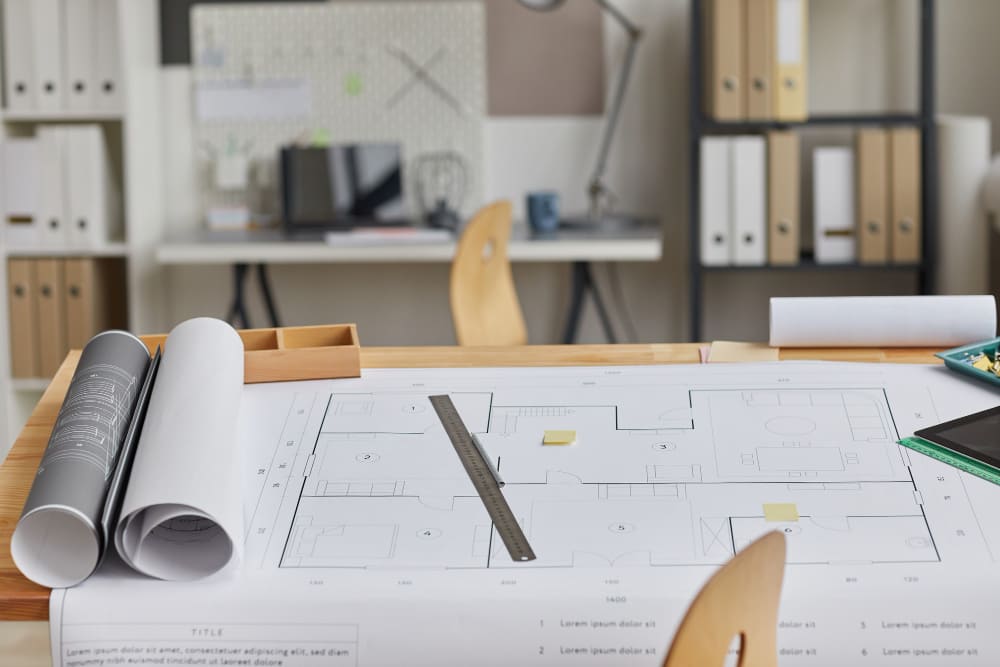
Online learning has made design education more open to many people. Students can study from anywhere without moving to a new city. This freedom suits those who work while they study or have family duties. The ease of online learning draws a wide range of students.
- Digital courses offer the same quality as traditional classroom programmes
- Students get feedback from skilled teachers through video calls
- They finish projects and build portfolios that show their growing skills
- Many new designers now choose an online interior design course to start their careers
What Employers Want from New Graduates
Employers value graduates who can use modern design software with confidence. They want new hires who can start working without long training. Tech skills appear at the top of most job ads in this field. Graduates who master these tools have a clear edge in the job market.
Building a Strong Portfolio
Portfolios matter more than grades when employers look at new graduates. A strong portfolio shows creative thinking and tech skills in real projects. Employers want to see how candidates solve problems and tackle their work. The portfolio tells a story about the designer’s promise and growth.
People Skills Matter Too
Talking skills also rank high on the list of what employers want. Designers must share their ideas with clients and work with other experts. They write proposals, give talks, and sort out contracts for their work. These soft skills add to tech abilities and round out the designer’s toolkit. An interior design degree that builds both tech and soft skills gets graduates ready for career success.
What’s Coming Next in Design
Green design will keep growing in importance for interior design projects. Clients want spaces that use fewer resources and have less effect on the earth. Designers must know about earth-friendly materials and energy-saving rules. This trend will only get stronger as green awareness grows among buyers.
Smart Homes Are Here to Stay
Smart home tech will become standard in new home projects. Homes will change lighting, heat, and security based on how people act. Designers must plan spaces that fit these smart systems without a fuss. The tech should make the space better without taking over its look.
Rooms That Do More
Rooms that serve many uses will also grow in popularity for modern living. Spaces that do many jobs make the most of limited floor space. Designers create spaces that turn from work areas to living spaces with ease. This freedom meets the needs of people who live and work in the same space.
How Design Schools Are Keeping Up
Design schools now include tech training as a key part of their courses. Students learn software skills alongside old design rules and history. This balanced way gets graduates ready for the modern workplace. The course plan changes each year to keep up with new tools and methods.
Learning by Doing
Hands-on projects give students real practice with industry-standard software. They finish tasks that mirror real client work and professional practice. This experience builds trust and skill before they finish their studies. Students enter the workforce ready to help from day one.
Working with Tech Companies
Team-ups with tech firms also make design education better. Students get early access to new tools and give feedback to the makers. This tie-up helps both the students and the tech creators. The design field moves forward through this swap of ideas and know-how. An interior design course that welcomes tech gets students ready for the future of the job.
Final Thoughts
Smart tools are reshaping interior design in many good ways. New software handles dull tasks and frees designers to focus on creative work. Picture-making tech helps clients grasp proposals before building begins. These advances make the design process quicker, more exact, and more fun for everyone.
An interior design course that includes tech training sets students up for success. Learning modern tools opens doors to better projects and higher pay. The field will keep changing as new tech comes along. Designers who welcome change will do well in this exciting and lively job.
FAQs
How is smart technology changing the role of interior designers?
Smart tools handle dull tasks like measurements and material maths. This frees designers to focus more on creative and smart work. The human touch stays key for knowing client needs and likes.
What skills should I learn for a career in interior design?
Learn both creative skills like colour rules and tech skills like 3D modelling. Talking and project management skills also matter for job success. An interior design course covers all these key areas.
Is online interior design education as good as traditional study?
Yes, online courses offer the same quality as classroom-based learning. Students get personal feedback and build professional portfolios. The freedom of online study suits many different learning styles and timetables.
What trends will shape interior design in the coming years?
Green design and smart home tech will guide many design choices. Rooms that do many things will become more common as living habits shift. Designers who know these trends will stay ahead in their careers.