Marketing has changed a lot over the past few years. Brands now need more than just words and still pictures to catch people’s eyes. Everyone scrolls through videos, posts, and ads every single day. Standing out takes a special set of skills. That is where multimedia design steps in. It blends different types of content to tell stories that people remember.
A good multimedia design course shows how to mix images, sound, and motion into one smooth package. This mix helps brands connect with their audience in a deeper way. Today’s marketing depends on this creative work more than ever. Without these skills, content feels dull and fails to leave any mark on those who view it.
Shift from Traditional Design to Multimedia Design
Old-style design focused mostly on printed items like posters and flyers. These formats ruled the marketing world for many years. They still have their place, but they do not work alone anymore. The online world calls for something more lively and interactive.
1. Screens Are Everywhere
People now spend most of their time looking at screens of all sizes. Content that stays still gets passed over very quickly. Moving images and sound effects grab attention much better than still pictures.
2. What People Want Now
No one wants to read long blocks of text on a small phone screen. Short videos and animations share the same message with less effort. This fresh approach saves time and keeps people interested for longer.
Two Types of Design Work
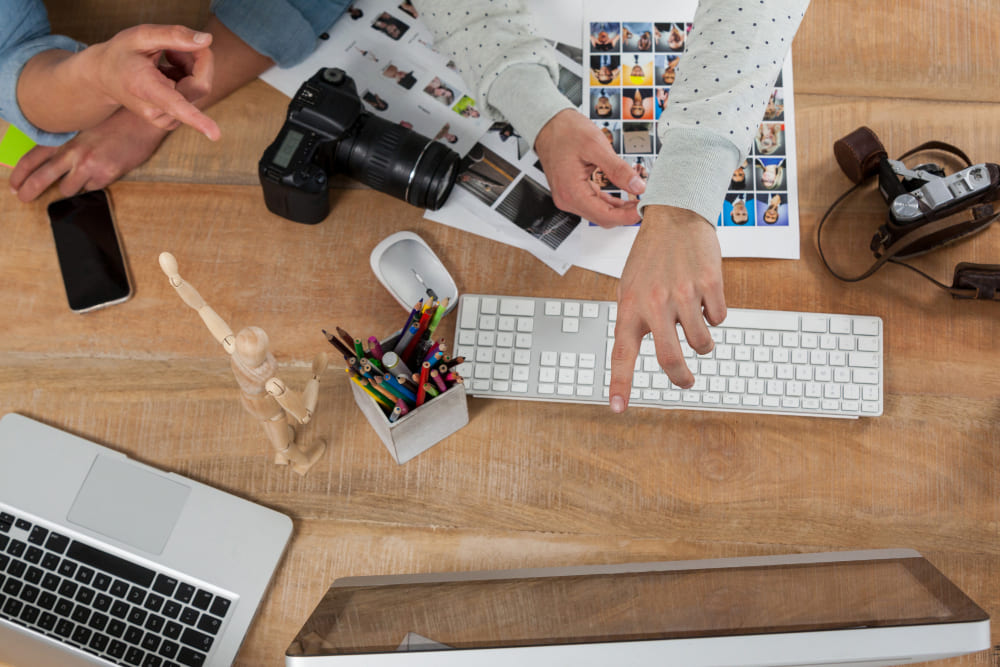
Graphic design deals with still images and page layout. It works with colours, fonts, and shapes placed on a flat surface. Graphic & multimedia design builds on that base by adding motion and sound.
1. Still Pictures and Moving Ones
Graphic work catches the eye with one look and no movement. Multimedia work holds attention for minutes or even longer. This extra time allows for deeper storytelling and emotional connection.
2. Tools for Each Type
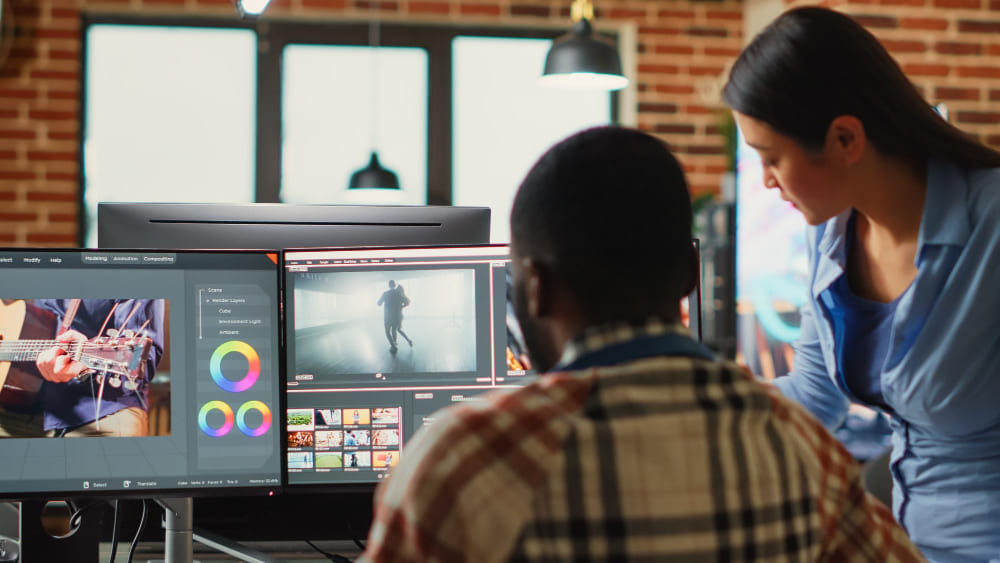
Graphic designers use layout tools and drawing programs for their projects. Multimedia makers also need video editors, sound mixers, and animation software. This larger set of tools gives more room for creative ideas.
Where Multimedia Work Appears Online
Multimedia design shows up in almost every part of the online world. Each platform has its own rules and needs for content.
- Social media sites use moving content that pulls in attention fast.
- Company websites now show videos and motion on their main pages.
- Online ads with motion and sound work much better than still ones.
- Blog posts include short videos that explain key points with images.
- Podcasts add sound effects and music to make listening more enjoyable.
Why Moving Graphics Matter to Businesses
Moving graphics combine animation with design to tell stories in a new way. These short clips explain hard ideas with ease and good style. Businesses like them because they make tough topics simple for anyone.
1. Making Hard Ideas Simple
A two-minute video can take the place of a ten-page document with better results. Viewers understand the message faster and remember it for longer. This speed saves time for both the business and its audience.
2. Working Well on Small Screens
Moving graphics look good on phones where space is very tight. A small screen shows a moving image much better than a block of text. The colours and motion draw the eye even on a tiny display.
Skills Every Multimedia Maker Should Build
A good multimedia maker needs both technical and creative skills. Technical skills cover the programs used to make content each day. Creative skills cover the ideas and vision that bring projects to life.
- Video editing forms the base of most multimedia projects.
- Animation brings still drawings to life with smooth motion.
- Sound work adds feeling and rhythm to the whole piece.
- Storytelling holds attention better than any flashy effect.
- Colour choice sets the right feeling from the very first frame.
- Layout planning ensures every part of the screen gets used well.
New Trends in Design Work
New tools and methods appear each year in this fast-moving field. Keeping up with these changes helps makers stay useful and current. Those who fall behind lose their place in a busy job market.
1. Fun and Hands-On Content
This type of content lets people click, swipe, or tap to change what they see. It feels more like a game than a regular ad or post. This higher involvement leads to better brand memory and more sales over time.
2. 3D and Virtual Worlds
These tools build worlds that seem real even though they exist only on screens. Brands use them for product shows, virtual tours, and deep stories. The technology gets better each year, which makes these experiences more common.
Job Paths for Multimedia Makers
The need for skilled multimedia makers keeps rising year after year. Companies in every field need content that stands out from the rest. This need creates jobs in many different areas and places.
- Agencies hire makers to work on campaigns for many brands at once.
- In-house teams at big companies need multimedia talent on their staff.
- Freelance work offers another route for those who want more freedom.
- Each path brings its own rewards and challenges for creative people.
How Companies Gain from Design Skills
Firms that invest in good design see clear returns from their spending. Content that looks professional builds trust with the public very quickly. Trust leads to more sales and better customer loyalty over time.
1. Building Trust with Good Work
Strong design sends a sign that the company cares about its image. Professional-looking content makes the brand feel solid and well-known. This feeling leads people to choose that brand over its rivals.
2. Saving Money Over Time
A well-made video or animation lasts for years without needing updates. Digital content stays fresh and can be used in many different ways. This long life saves firms from spending more on frequent replacements.
Signs This Path Might Suit You
Some people feel drawn to creative work from a young age. They like making things look good and work well at the same time. Several signs help show if this path fits a person’s strengths.
- A love for visual media is the first clear sign to watch for.
- An eye for detail and layout also points toward design work.
- Comfort with technology is another important sign to consider.
- Taking a multimedia design course can test this interest in a real way.
What Lies Ahead for Design in Malaysia and Beyond
The multimedia design field shows no signs of slowing down in any region. More businesses see the value of good content every year. Graphic & multimedia design will only grow in importance as time moves forward.
1. New Technology on the Way
Augmented reality and smart tools will change how makers work each day. These advances bring new chances for those who stay open and learn fast. Makers who welcome change will find themselves in high demand.
2. Growth in Malaysia’s Creative Scene
Local companies now compete on a world stage with their marketing work. Strong design skills help these businesses stand out among global rivals. This trend points toward steady job growth for multimedia makers in the country.
Final Thoughts
Multimedia design skills have become key in today’s marketing world. Content that fails to connect gets lost in the endless flow of information. Moving images, sound, and hands-on elements catch attention and keep it. These tools help brands share their stories in ways that stay with people.
A multimedia design course offers a good start for anyone entering this field. Learning the main skills opens doors to many different job paths. The work stays fresh and challenging while offering good pay and stability. For those with creative drive, this field offers a full and lasting career.
Common Questions
What do I need to start working in multimedia design?
A strong portfolio matters more than formal qualifications for most jobs. Many employers look for real skills and creative ideas in applicants. A related diploma or degree helps but is not always needed.
Which programs should multimedia makers learn first?
Video editing tools, animation apps, and sound mixers form the main toolkit. Adobe Creative Cloud stays the industry standard across many companies. Learning these programs gives a solid base for professional design work.
Can I learn multimedia design by myself without a class?
Self-study works well for driven people with good focus and discipline. Many online resources teach the skills needed for this career path. Building a strong portfolio matters more than where you learned it.
How is multimedia design different from regular graphic design?
Multimedia adds motion, sound, and hands-on parts to still visual work. Graphic design focuses on images that do not move or change over time. These extra layers make multimedia more interesting for today’s audiences.